Photo by Lucas Sankey on Unsplash
Feet come in all shapes and sizes – some with pronounced arches and others that appear flatter. Neither shape is indicative of any problem, unless accompanied by pain.
So then, what is adult acquired flatfoot? AAFF occurs when your arches quite literally collapse. The collapse is not out of the blue and all of a sudden, but it will occur progressively, over time.
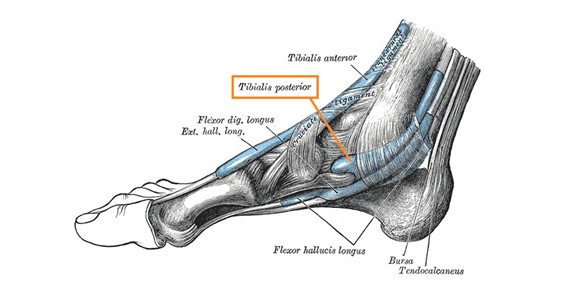
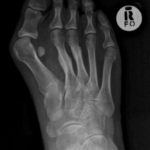
Image: www.carinaphysio.com.au
AAFF affects your posterior tibial tendon, which runs from your heel, along your arch, and to your calf. This tendon is one of the most important tendons in your feet and is the anchor that holds everything together. When this tendon is torn, strained, and swollen by repetitive movements, or injured, it interferes with the structure of your foot, causing it to become more vulnerable to load-bearing activities, which compromise its integrity and lead to a gradual flattening.
Adult acquired flatfoot is a permanent condition – unlike children who are born with flatfeet and outgrow these. Unfortunately, there is no ‘magic wand’ to reverse this. The best you can do is seek treatment for the symptoms. While surgery is an option, it is only reserved for severe cases.
What Are the Symptoms of Adult Acquired Flatfoot?
Typical symptoms include pain while walking or standing, as well as ankle pain. Sometimes the pain can be debilitating. However, your symptoms may vary depending on the cause of your AAFF.
There are many different causes for this condition, with the most common ones including posterior tibial tendon dysfunction (PTTD), Charcot foot, arthritis, sports injury, or being overweight.
What Can I Do to Help Reduce the Pain?
Patients with this condition can use custom shoes, braces, and orthotics that help support their ankles and feet and relieve any pressure being placed on them. They can also do daily stretches to help increase the flexibility in their foot and take over-the-counter painkillers or anti-inflammatory medication.
If you suspect you have adult acquired flatfoot, please book a consult with us so that we can do a physical assessment and radiograph to confirm the diagnosis and get you the help you need. As always, we look forward to hearing from you.